
Welcome To Jung Enterprise
Blog
Stay informed with expert insights and tips on maximizing the efficiency and lifespan of your agricultural equipment. Discover valuable advice, industry trends, and product updates to keep your operation running smoothly.
Need Help Shielding Gauge Wheels From Wear, Tear, and Debris Obstruction?
Give Us A Call Today
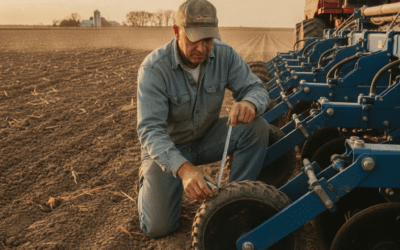
How Do Corn and Soybean Farmers Near Ipswich Know Whether Their Planter’s Gauge Wheel Is Actually Sized Right for Their Row Spacing — Or Just Running Whatever Came Stock on the Machine?
Gauge wheel sizing isn’t one-size-fits-all, and running the wrong size for your row spacing or row unit style can quietly cost you stand uniformity before the season even gets started. Farmers near Ipswich are asking the right question — here’s how to know whether your current setup is actually matched to your equipment or just close enough to cause problems. Jung Enterprise breaks it down.
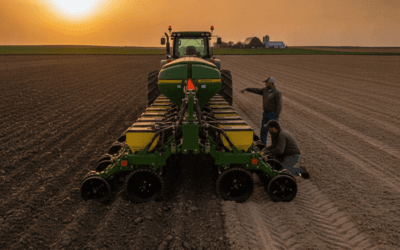
How Do Row-Crop Farmers Near Ipswich Know Whether Their Planter’s Gauge Wheels Are Actually Performing Differently in Gumbo Clay Versus Sandy Loam — Or Just Running the Same Setup Regardless of Soil Type?
Not every soil in South Dakota plants the same, and running identical gauge wheel setups across gumbo clay and sandy loam is one of the fastest ways to give up yield without knowing why. Here’s how farmers near Ipswich can actually tell whether their equipment is matched to the ground they’re planting — or just assumed to work everywhere.
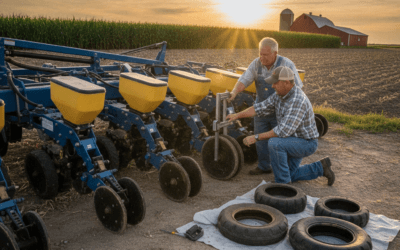
How Do Farmers Near Ipswich Know Whether Their Planter’s Gauge Wheel Is Actually the Right Diameter for Their Row Unit — Or Just Close Enough to Cause Problems?
Most farmers near Ipswich assume the gauge wheel on their planter is the right size because it bolted on without trouble. But wrong-diameter gauge wheels cause seeding depth errors, accelerated wear, and plugging problems that look like something else entirely — here’s how to check before planting season starts.

How Do Farmers Near Ipswich Know Whether Their Planter’s Gauge Wheel Bearings Are Actually Failing Early — Or Just Running Dirty From a Single Wet Season?
Gauge wheel bearing failure is one of the most misdiagnosed problems in the planter shed — especially after a wet spring in South Dakota. Learn how to tell the difference between a bearing that’s genuinely worn out and one that just needs attention, and what you can do to protect the parts around it from making the problem worse.
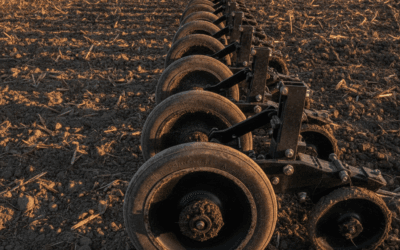
How Do Row-Crop Farmers Near Watertown Know Whether Their Planter’s Gauge Wheels Are Actually Performing the Same on a Second Pass as They Did on the First — Or Just Degrading Silently Between Runs?
Most gauge wheel problems near Watertown don’t show up on the first pass — they show up on the third or fourth, when tire lip wear and mud buildup have already been quietly costing you seed placement. Here’s how to catch degradation between runs before it shows up in your stand counts.
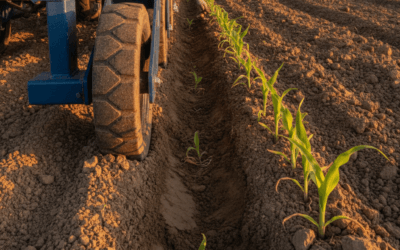
How Do Farmers Near Huron Know Whether Their Planter’s Gauge Wheel Is Actually Causing Sidewall Compaction — Or Just Pressing Seed to Depth the Way It Should?
Sidewall compaction from a gauge wheel is one of the most misread problems in row-crop planting — it looks like good seed placement until your stand tells you otherwise. If you’re farming near Huron and noticing uneven emergence or rootbound seedlings without an obvious cause, the gauge wheel is worth a hard look. Here’s how to tell the difference between a wheel doing its job and one quietly killing your yield.
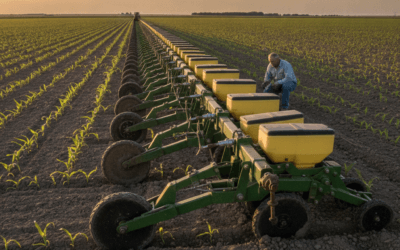
How Do Farmers Near Ipswich Know Whether Their Planter’s Gauge Wheel Is Actually Performing the Same on Row 1 as Row 24 — Or Just Varying Wildly Across the Toolbar?
If your planter is dropping seed at different depths across the toolbar, the problem is often not your monitor — it’s uneven gauge wheel wear, mud loading, or hardware failures that compound from row to row. Farmers near Ipswich running wide toolbars need to understand why row-to-row consistency breaks down and what to do about it before it costs them yield.
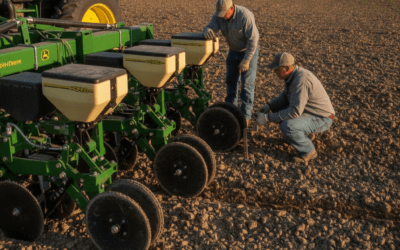
How Do Farmers Near Sioux Falls Know Whether Their Planter’s Gauge Wheel Is Actually Holding Seed Depth Through a Hard Stop and Restart — Or Just Drifting After Every Field Entry?
Every time you lift the planter at the end of a pass and drop it back down at the next entry, your gauge wheels have to re-establish depth from scratch. Farmers near Sioux Falls operating in variable spring soils often don’t realize how much planting depth drifts during those transitions — and how worn or mismatched gauge wheel components make it worse. Here’s how to tell if your setup is actually holding depth, and what to do about it.
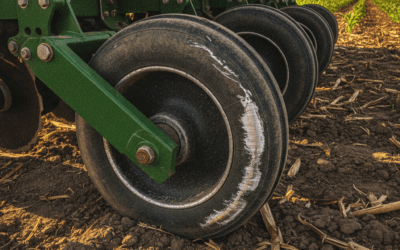
How Do Corn and Soybean Farmers Near Bismarck Know Whether Their Planter’s Gauge Wheel Tire Is Actually Failing From the Inside Out — Or Just Showing Normal Wear on the Surface?
Surface scuffing on a gauge wheel tire looks like normal wear — but the real damage often starts at the tire lip, where steel-on-steel contact grinds from the inside out before you ever see it. Farmers near Bismarck running corn and soybeans need to know the difference before planting season starts and the damage is already done. Here’s how to tell which kind of wear you’re actually dealing with, and what it means for depth control and downtime.
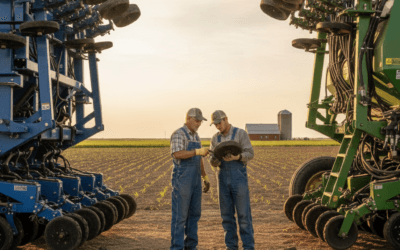
How Do Farmers Near Mitchell Know Whether Their Planter’s Gauge Wheels Are Actually Compatible With an Air Seeder Setup — Or Just Assumed to Cross Over Without Checking?
Farmers near Mitchell who run both a row-crop planter and an air seeder often assume gauge wheel parts cross over between the two machines — but compatibility isn’t always as straightforward as it looks. Jung Enterprise breaks down what to actually check before planting season starts, so you’re not discovering a mismatch in the field when it costs you time and yield.
Reviews
What Our Clients Say


Find Us On Map
Our Products
Built Tough for Reliable Performance in Every Field
Discover our expertly crafted products designed to protect your equipment and enhance efficiency. From durable steel rings to secure wheel retainers, each item is engineered to tackle the toughest conditions with ease.

Steel Ring
Our robust steel ring acts as a shield for the tire’s edge, effectively protecting it from damage caused by rough terrain, mud, and debris. By reducing wear and tear on the tire lip, this innovative ring extends tire life and minimizes costly replacements. Additionally, it prevents mud buildup, eliminating the risk of traction loss and the need for frequent tire cleaning, allowing for smoother, uninterrupted operations on planters, air seeders, and no-till drills.
Wheel Retainer
Our newly engineered wheel retainer ensures secure, stable operation by preventing the gauge wheel from slipping off the planter or air seeder. Designed for durability, this retainer maintains proper alignment even in rugged field conditions, enhancing equipment safety and reducing the chances of unplanned maintenance. With our wheel retainer, you gain reliable performance, keeping your operations steady and efficient during planting.


Curved Spoked Gauge Wheels
The precision-designed gauge wheel is essential for consistent planting depth, allowing seeds to be evenly spaced and optimally placed. By controlling planting depth, this wheel promotes uniform crop emergence and healthier plant growth, which leads to improved yields. Built to endure tough conditions, our gauge wheel ensures dependable performance season after season, supporting high-quality, productive farming practices.